
Smart Energy Management Systems
Reduce energy consumption and costs by implementing intelligent power management systems in your home.

Understanding Smart Energy Management
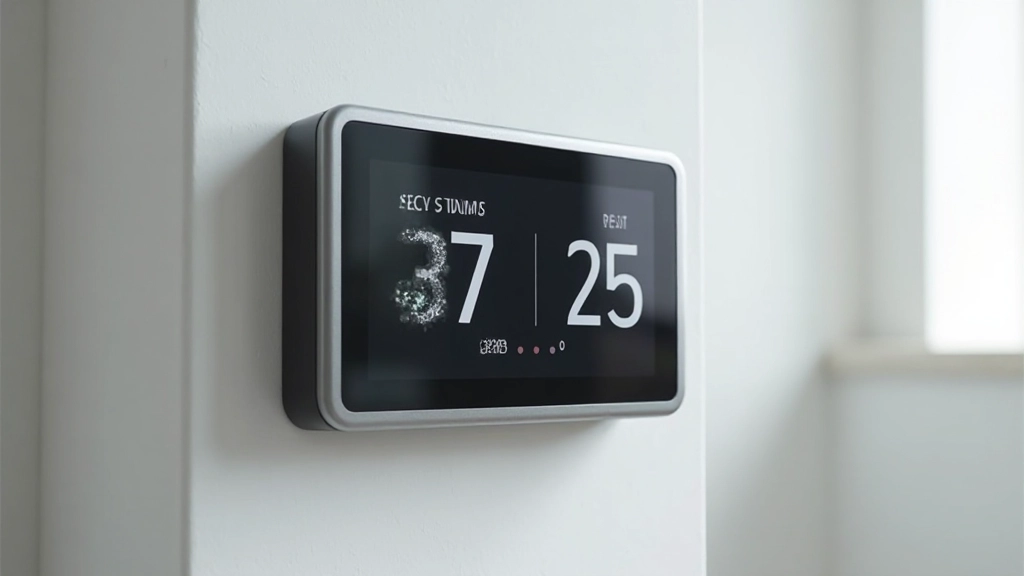
Energy consumption in modern homes continues to rise, yet most households lack visibility into where their power goes. Smart energy management systems provide real-time monitoring and automated control of electrical devices, helping you identify consumption patterns and optimize usage throughout the day.
These systems integrate hardware sensors, cloud-based analytics, and intelligent algorithms to learn your household patterns and suggest optimizations without compromising comfort or convenience.
Key Benefits of Energy Management
Discover the advantages of implementing intelligent energy monitoring in your daily life
Cost Reduction
Identify energy waste and optimize consumption patterns to significantly reduce monthly utility bills and identify peak usage periods.
Environmental Impact
Lower energy consumption directly reduces your household’s carbon footprint and contributes to broader sustainability goals for your community.
Remote Control
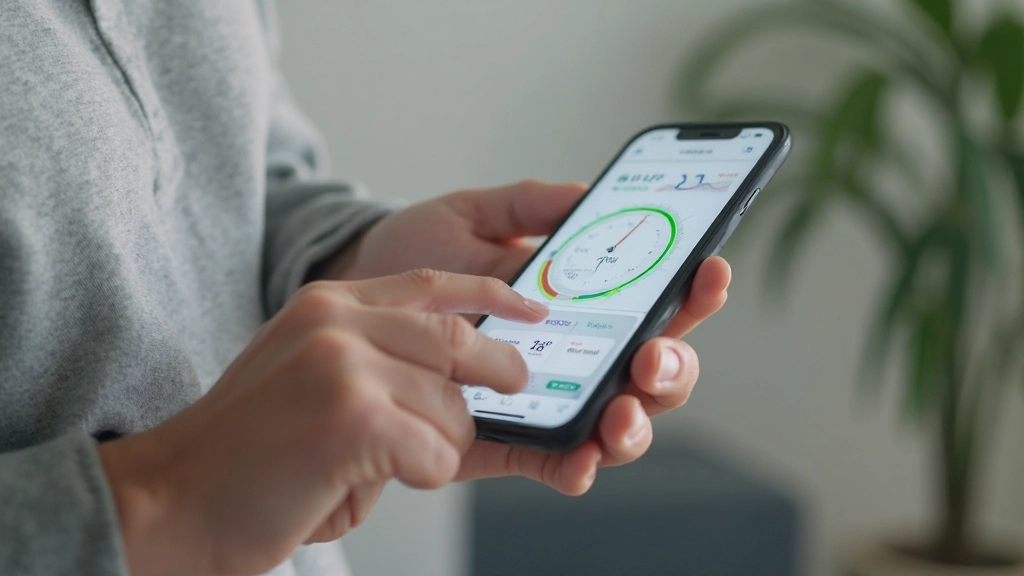
Monitor and control devices from anywhere using mobile apps, enabling you to manage energy even when away from home.
Automation
Set intelligent schedules and automation rules that adapt to your lifestyle, reducing manual adjustments and optimizing efficiency automatically.
Device Insights
Understand which appliances consume the most power and receive specific recommendations for upgrading or adjusting usage behavior.
Grid Stability
Participate in demand response programs where utilities can reduce load during peak hours, supporting grid stability and earning incentives.
Implementation Steps
Energy Audit
Conduct a thorough assessment of your current energy consumption patterns. Review utility bills from the past year and identify peak usage times and major consuming appliances.
System Selection
Choose appropriate monitoring hardware and software based on your home’s infrastructure, budget, and desired features. Consider systems that integrate with existing smart home devices.
Installation
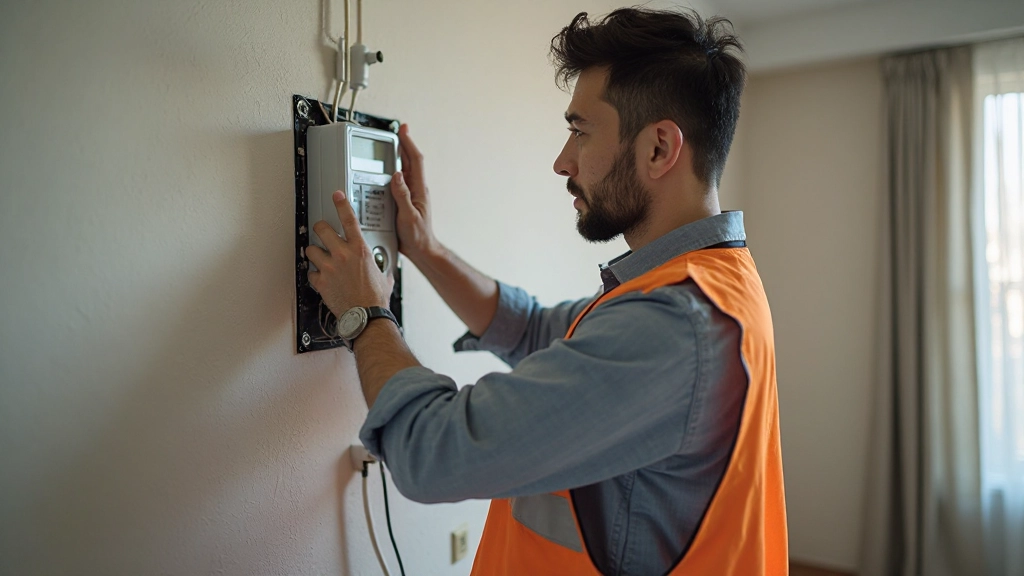
Install monitoring devices at the main electrical panel and on individual circuits or appliances. Follow manufacturer guidelines carefully for safe installation and proper calibration.
Configuration
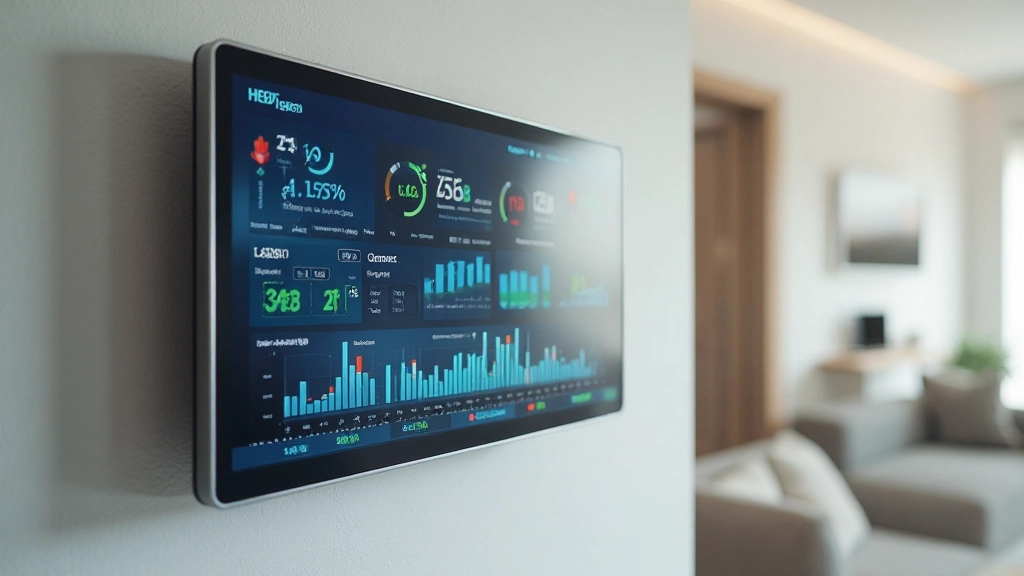
Set up monitoring dashboards, establish baseline energy targets, and configure alerts for unusual consumption patterns that may indicate equipment issues.
Optimization
Analyze collected data over 2-4 weeks to identify optimization opportunities. Implement automated schedules, adjust thermostat settings, and prioritize high-consumption appliances for replacement or upgrades.
Essential Features to Look For
When selecting a system, prioritize these important capabilities
Real-Time Monitoring
Access instant data on current power consumption, allowing you to see the immediate impact of turning appliances on or off. Real-time feedback helps establish awareness of energy usage patterns throughout your day.
- Live power consumption display
- Per-circuit monitoring capability
- Appliance-level tracking
Advanced Analytics
Historical data analysis reveals trends, seasonal variations, and opportunities for optimization. Machine learning algorithms identify anomalies and predict future consumption based on household patterns and weather data.
- Historical consumption trends
- Weather-based predictions
- Anomaly detection alerts
Technology Considerations
Modern energy management systems utilize several key technologies to deliver comprehensive monitoring and control. Smart meters measure electricity consumption with high precision, while sub-metering devices track individual circuits or appliances. Communication protocols like Zigbee, Z-Wave, or Wi-Fi enable wireless connectivity between devices and central hubs.
Cloud-based platforms store and analyze consumption data, providing insights accessible from any device. Integration with smart home ecosystems allows coordinated control—for example, automatically adjusting thermostats during peak pricing periods or delaying heavy appliance use until off-peak hours.
“The most effective energy management comes from understanding your consumption patterns and making informed decisions based on real data rather than assumptions.”
— Energy Efficiency Expert
Taking Control of Your Energy
Smart energy management systems represent a practical approach to reducing household energy consumption and costs. By providing visibility into power usage patterns and enabling automated optimization, these systems help you make informed decisions about energy consumption without requiring constant manual intervention.
The implementation process is straightforward, and the financial benefits typically appear within months of installation. Beyond cost savings, managing energy consumption responsibly contributes to environmental sustainability and supports broader efforts to stabilize electrical grids during peak demand periods.
Ready to Optimize Your Home’s Energy?
Start with an energy audit to understand your current consumption patterns and identify the most impactful areas for improvement.
Explore More Smart Living ResourcesImportant Disclaimer
This article provides educational information about smart energy management systems and general approaches to energy optimization. It is not professional electrical, engineering, or energy consulting advice. Energy consumption patterns, system requirements, and optimization strategies vary significantly based on individual home characteristics, local utility rates, climate, and household behavior.
Installation of electrical monitoring equipment should be performed by qualified electricians following all local building codes and safety regulations. Before implementing any energy management system, consult with licensed professionals to ensure proper installation and compatibility with your home’s electrical infrastructure. Actual energy savings depend on your specific situation, usage patterns, and the effectiveness of implemented optimization measures.