

Smart Home Automation Basics
Learn how to set up your first smart home devices and create seamless automation routines that simplify daily tasks.
Read ArticleDiscover wearable devices that track your health metrics and integrate seamlessly into your lifestyle routine. From fitness tracking to continuous health monitoring, explore the technology transforming personal wellness.

Wearable technology has fundamentally changed how we approach personal health management. These devices, worn directly on your body or integrated into clothing, continuously collect data about your physical activity, heart rate, sleep patterns, and more. Unlike traditional health monitoring that happens during doctor visits, wearables provide real-time insights into your daily wellness patterns.
The evolution from simple step counters to sophisticated health platforms reflects advances in miniaturization, battery technology, and data processing. Modern wearables can detect irregular heartbeats, monitor blood oxygen levels, track stress indicators, and even provide early warnings for potential health concerns. This democratization of health data means individuals can take a more proactive role in their wellness journey.
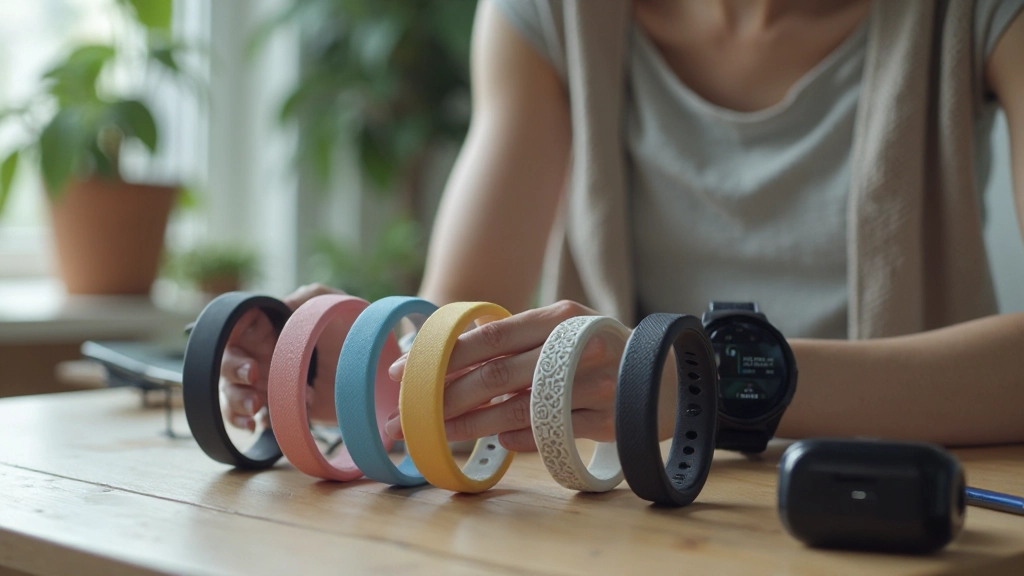
Modern health wearables track a diverse range of metrics to provide comprehensive wellness insights
Advanced optical sensors measure your pulse continuously, detecting resting heart rate, exercise intensity, and irregular patterns that may warrant medical attention.
Monitor sleep cycles, duration, and quality using motion and heart rate variability. Detailed sleep insights help optimize rest and recovery patterns.
Accurately count steps, distance traveled, and calories burned throughout your day with sophisticated accelerometer and gyroscope sensors.
SpO2 sensors measure the percentage of oxygen in your blood, providing insights into respiratory health and overall oxygen levels during rest and exercise.
Heart rate variability and other biometric indicators reveal stress levels, enabling you to practice mindfulness when stress increases.
Skin temperature sensors track variations throughout your day, useful for detecting illness, monitoring menstrual cycles, or identifying fever.
Selecting a health wearable depends on your specific wellness goals and lifestyle. Smartwatches offer comprehensive health tracking alongside notifications and apps, making them versatile for most users. Fitness bands focus specifically on activity and exercise metrics with extended battery life. Health rings provide minimalist design with focused health metrics, while specialized devices target specific conditions like sleep apnea or heart rhythm monitoring.
Consider your primary health interests: if you want comprehensive data, a smartwatch excels. For serious fitness enthusiasts, specialized sports watches provide detailed training metrics. If you prefer simplicity and style, health rings offer elegance without complexity. Battery life matters significantly—some devices last days while smartwatches typically need daily charging.
“The most important health device is the one you’ll actually wear consistently. Technology only helps if it fits your daily routine.”
— Health Technology Expert


Modern wearables sync effortlessly with your smartphone, cloud storage, and health platforms. Most devices use Bluetooth connectivity for real-time data transfer, while some include cellular capabilities for independent operation. Your health data typically stores in manufacturer apps and syncs to popular platforms like Apple Health, Google Fit, or Strava for comprehensive analysis.
Privacy and security matter significantly when sharing health information. Reputable manufacturers encrypt data in transit and at rest, comply with health privacy regulations, and provide granular controls over data sharing. Review privacy settings when setting up your device, and understand how your health information is stored and used.
Essential tips for getting the most from your health monitoring device
Accurate health data requires consistent wear. Keep your device on throughout the day and night for reliable baseline measurements and trend identification.
Regular cleaning improves sensor accuracy. Wipe sensors weekly and maintain proper contact with your skin for optimal heart rate and SpO2 measurements.
Weekly or monthly reviews reveal patterns and trends. Identify changes in sleep, activity levels, or stress that might indicate health adjustments needed.
Use wearable insights to establish achievable wellness goals. Gradual improvements in activity, sleep, or stress management prove more sustainable than dramatic changes.
Bring wearable data to medical appointments. Doctors appreciate objective health information that helps inform treatment decisions and monitor chronic conditions.
Wearable health technology represents a significant shift in personal wellness management. By providing continuous, objective health data, these devices empower you to understand your body better and make informed decisions about lifestyle changes. Whether your goal is improving fitness, better sleep, stress management, or detecting early health concerns, a wearable device can provide valuable insights.
The technology continues evolving rapidly, with new sensors and capabilities emerging regularly. What matters most is finding a device that aligns with your health priorities and fits seamlessly into your daily routine. Combined with professional medical guidance and healthy lifestyle practices, wearables serve as powerful tools for building a healthier future.
Discover other innovative technologies designed to enhance your daily life and wellness routine.
View All Articles


This article provides informational content about wearable health technology and is intended for educational purposes only. Wearable devices offer general health insights but should not replace professional medical advice, diagnosis, or treatment. If you have specific health concerns or existing medical conditions, consult with a qualified healthcare provider before starting any health monitoring routine or making lifestyle changes based on wearable data. Always follow manufacturer guidelines for proper device use and data accuracy. Individual results and sensor accuracy may vary based on device quality, proper fit, and personal factors.